
Modeling the subsurface.
Assessing climate risk.
We study how to store carbon dioxide and hydrogen underground, produce oil and natural gas, harness geothermal energy, and develop mineral resources. We combine observations, numerical models, and artificial intelligence (AI) to predict subsurface fluid flow and assess climate risks at the global, national, industry, and company levels. These findings inform decisions about a sustainable energy transition.

Explore our research
All research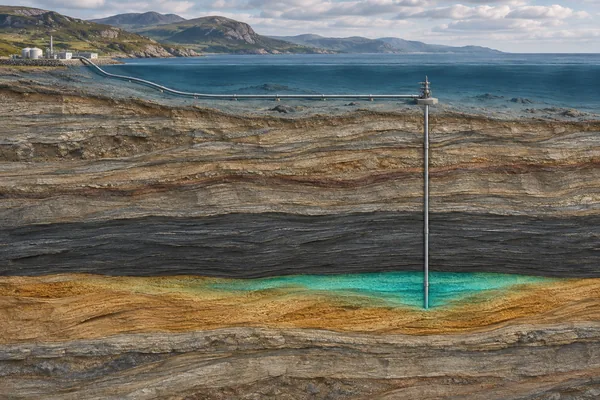
CCUS
How can captured CO₂ be transported, used and stored underground?
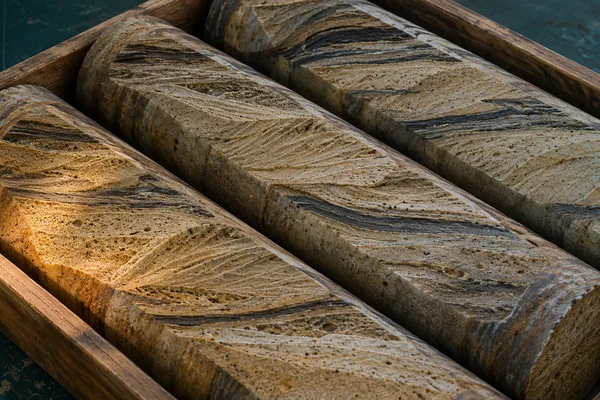
Geoenergy Engineering
What can subsurface flow tell us about energy recovery and hydrogen storage?
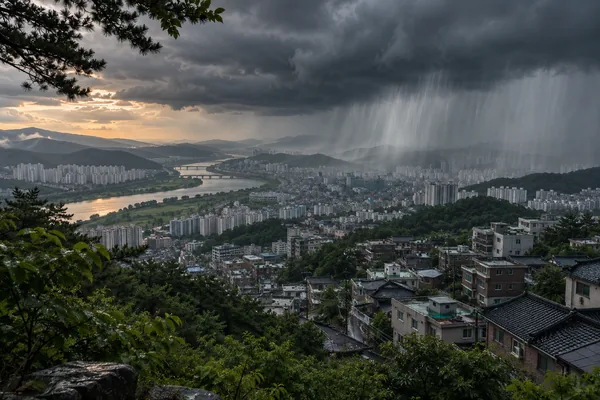
Climate risk
How do changes in rainfall and carbon costs reshape risk?

Featured projects
All projects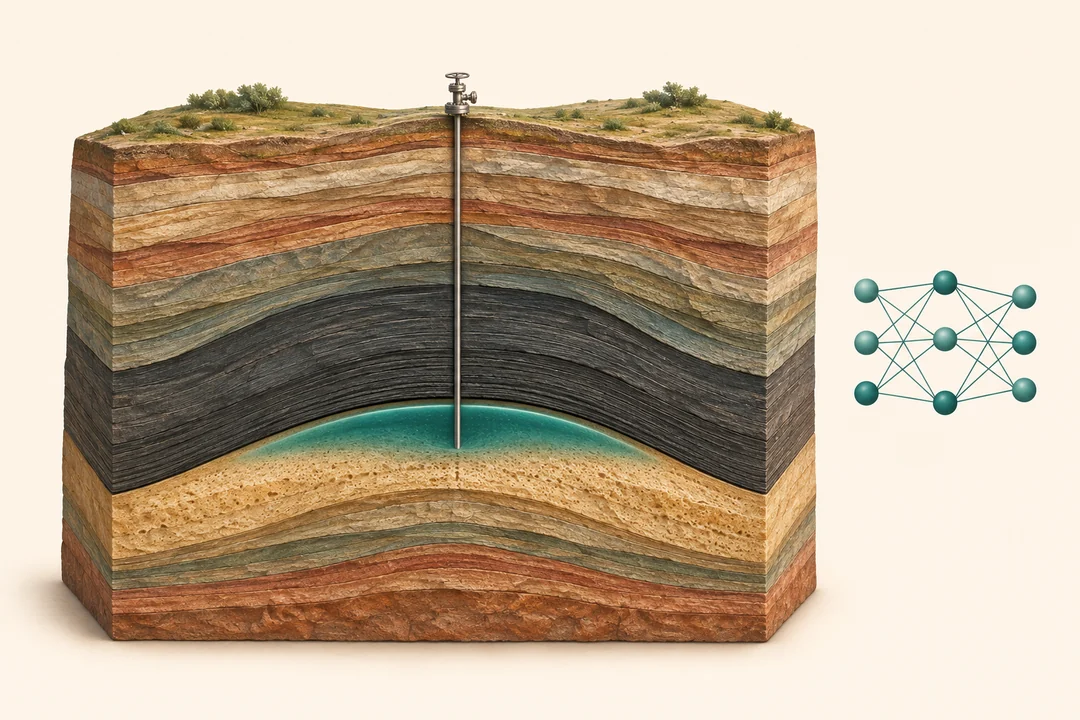
Early-Career Follow-up Grant (Mid-Career Track)
Optimal Design of Geological CO₂ Storage System using the Advanced Deep-Learning-based Automated Decision Support System
2023–2027
Priority Research Centers Program
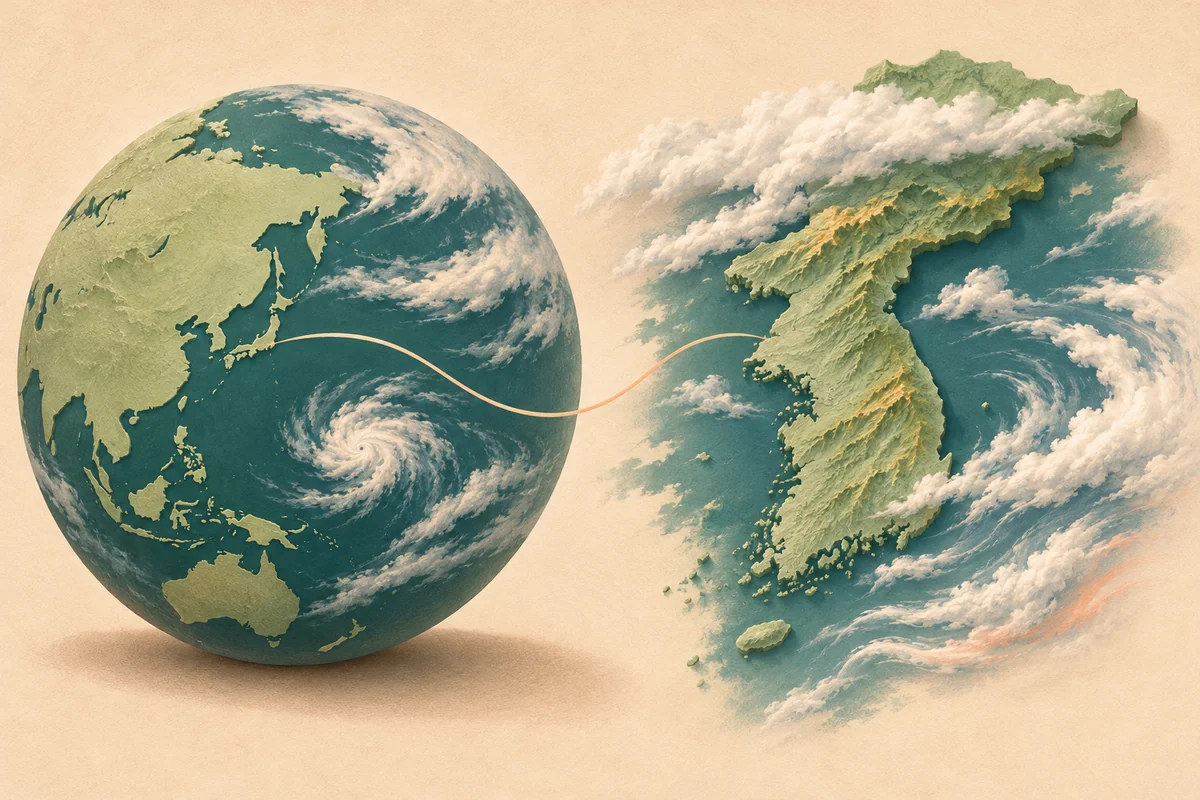
Center for Climate/Environment Change Prediction Research
How long-term global climate change shapes regional weather and environments.
2018–2027
KETEP
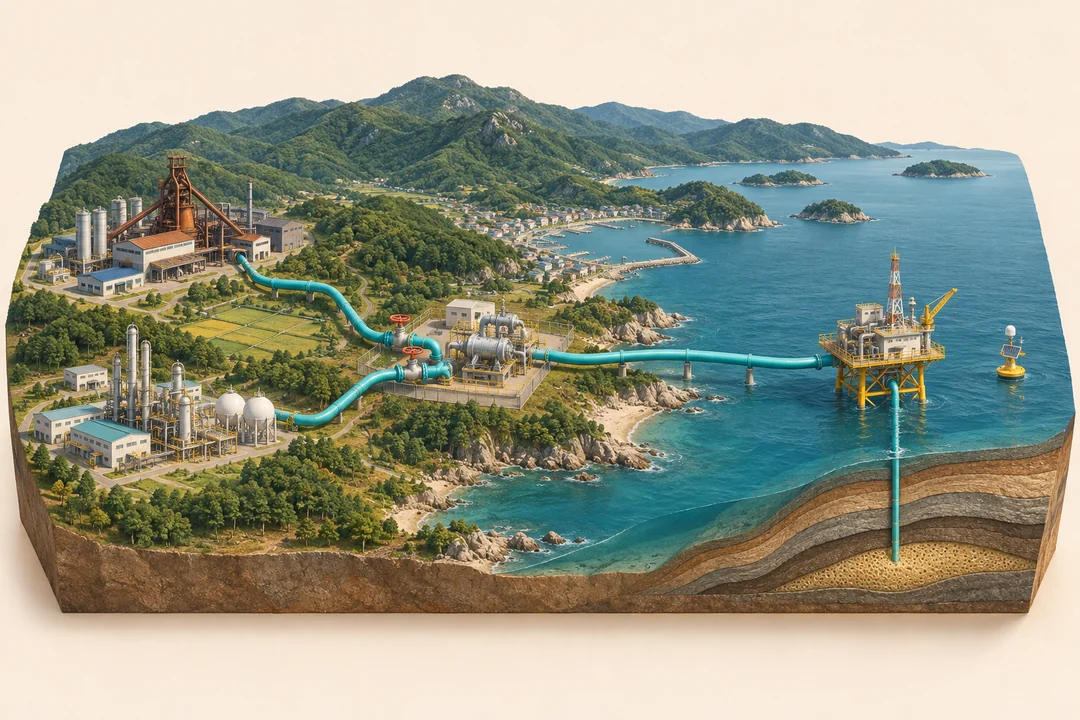
Development of Network Optimization and Safety Technologies for Integrated CCS Systems
2025–2026
KIGAM
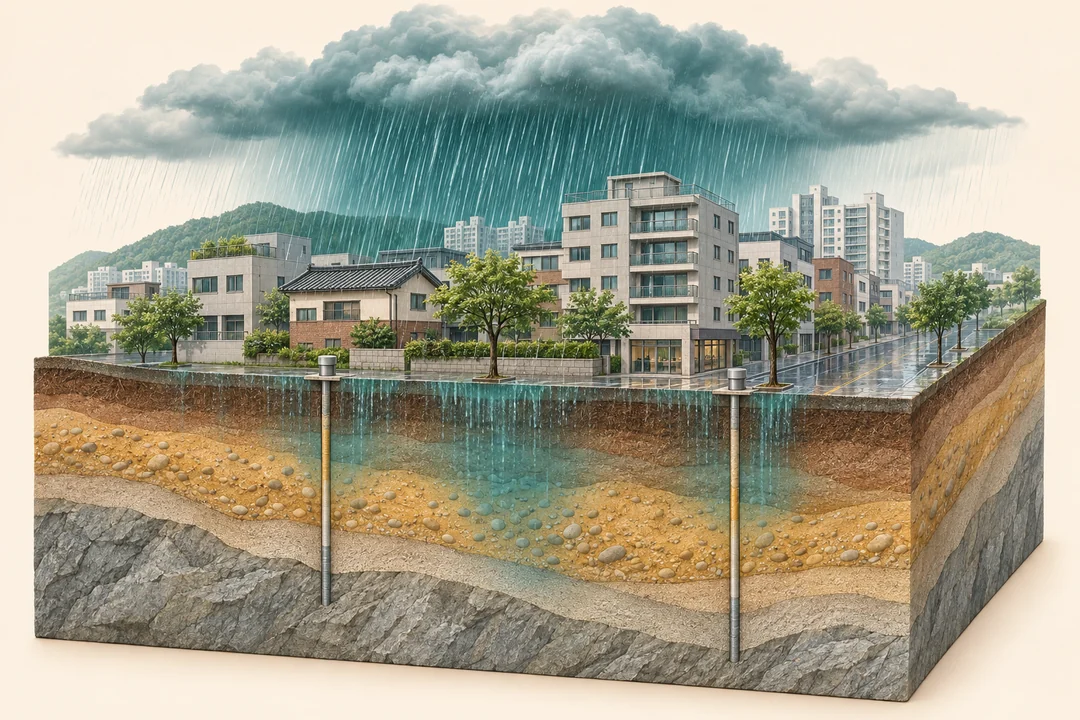
Integrated Climate Risk Modeling Using Urban Geological Models and Meteorological Data
2025–2026

NRF
Energy Deprivation and Multiple Risks Among Young Adults Living Alone in an Era of Climate Disasters: AI-Based Detection and Early Warning for a Proactive Social Safety Net
2026–2027
Featured publications
All journal articles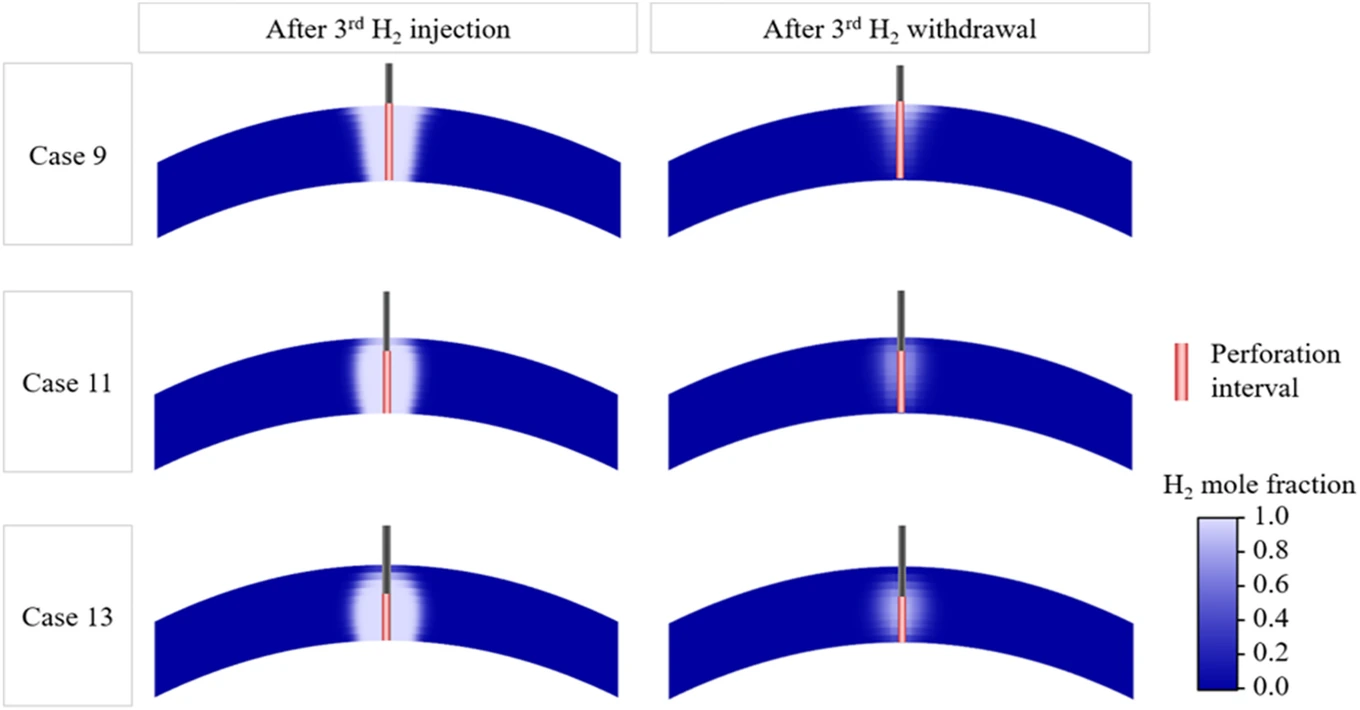
Impacts of Operational Controls on Hydrogen Recovery Factor in a Depleted Gas Reservoir for Underground Hydrogen Storage
Chae et al. (2026), Energy, Fig. 12. © 2026 Elsevier Ltd.Read article
From Digital Rock to Geological Carbon Storage Decisions: Time-Resolved Carbon Dioxide Saturation Prediction with Deep Ensembles
Vo Thanh & Min (2026), Engineering Applications of Artificial Intelligence, Fig. 8. © 2026 Elsevier Ltd.Read article
Integrated Design and Optimization for a Unified Carbon Capture and Storage System Using a Machine-Learning-Assisted Multi-Objective Optimization Framework
Choi et al. (2026), Journal of CO₂ Utilization, Fig. 1. © 2026 The Authors · CC BY-NC-ND 4.0Read article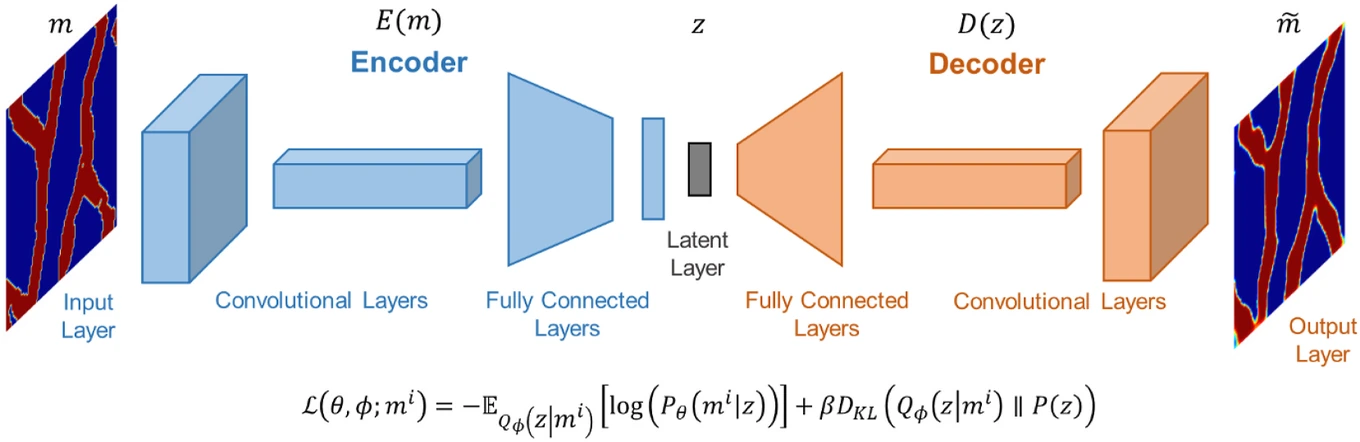
History Matching of a Three-Dimensional Channelized Reservoir using a Beta-Convolutional Variational Autoencoder and Ensemble Smoother with Multiple Data Assimilation
Ahn et al. (2025), Engineering Applications of Artificial Intelligence, Fig. 1. © 2025 Elsevier Ltd.Read article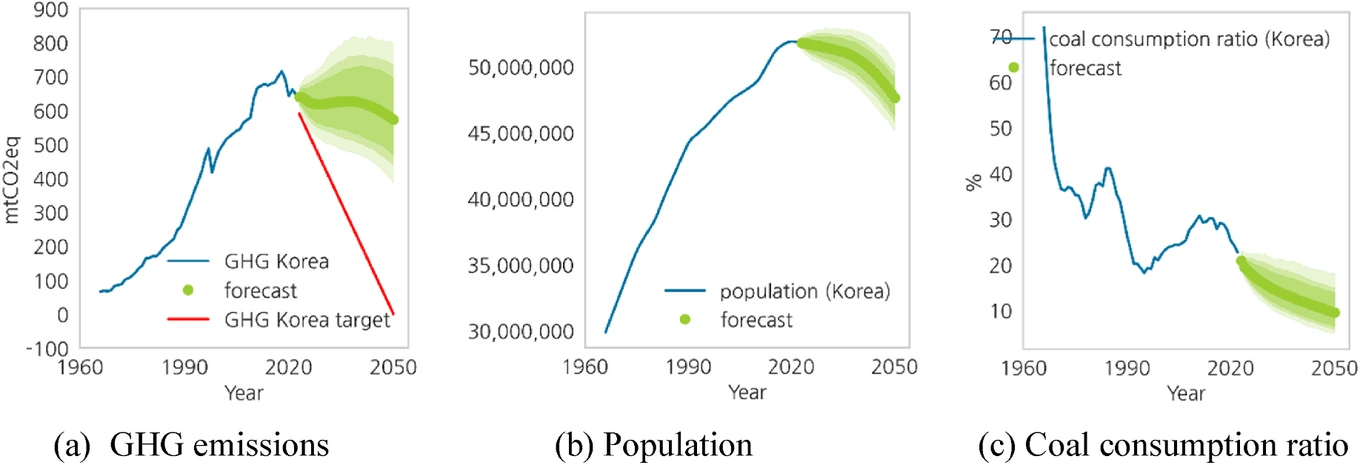
Stochastic Forecasting of Long-Term Greenhouse Gas Emissions and Energy Transitions: A Comparative Analysis of the US, EU, China, and Korea
Jang & Min (2025), Energy, Fig. 11. © 2025 Elsevier Ltd.Read article

An undergraduate takes a CO₂ storage model to a conference
Minkyung Chae modeled the Bayu–Undan gas field and presented her work on CO₂ injection pressure at the 2024 autumn joint resources conference.
Read her story