Research
We model how fluids move through rock, how energy systems can reduce emissions and how climate change affects communities and businesses.

The story behind our logo
The contours of our rock-shaped logo reflect how we map changes that are hard to see, both underground and in the climate.
Below ground, we use multiphase flow models to trace how fluids such as oil, natural gas, CO₂, hydrogen, and water move through rock pores and how reservoir pressure changes over time.
At the surface, we use temperature and rainfall patterns to understand which communities are most exposed to extreme weather.
Our research and the UN Sustainable Development Goals
- SDG 7
Affordable and clean energy
We assess what it costs to store hydrogen in depleted gas fields and how much carbon this could save.
Underground hydrogen storage - SDG 9
Industry, innovation and infrastructure
We study how CO₂ transport and storage networks can operate safely as an integrated system.
CCS network design and safety - SDG 13
Climate action
We combine weather data with models of the urban subsurface to assess local climate risk.
Urban climate risk
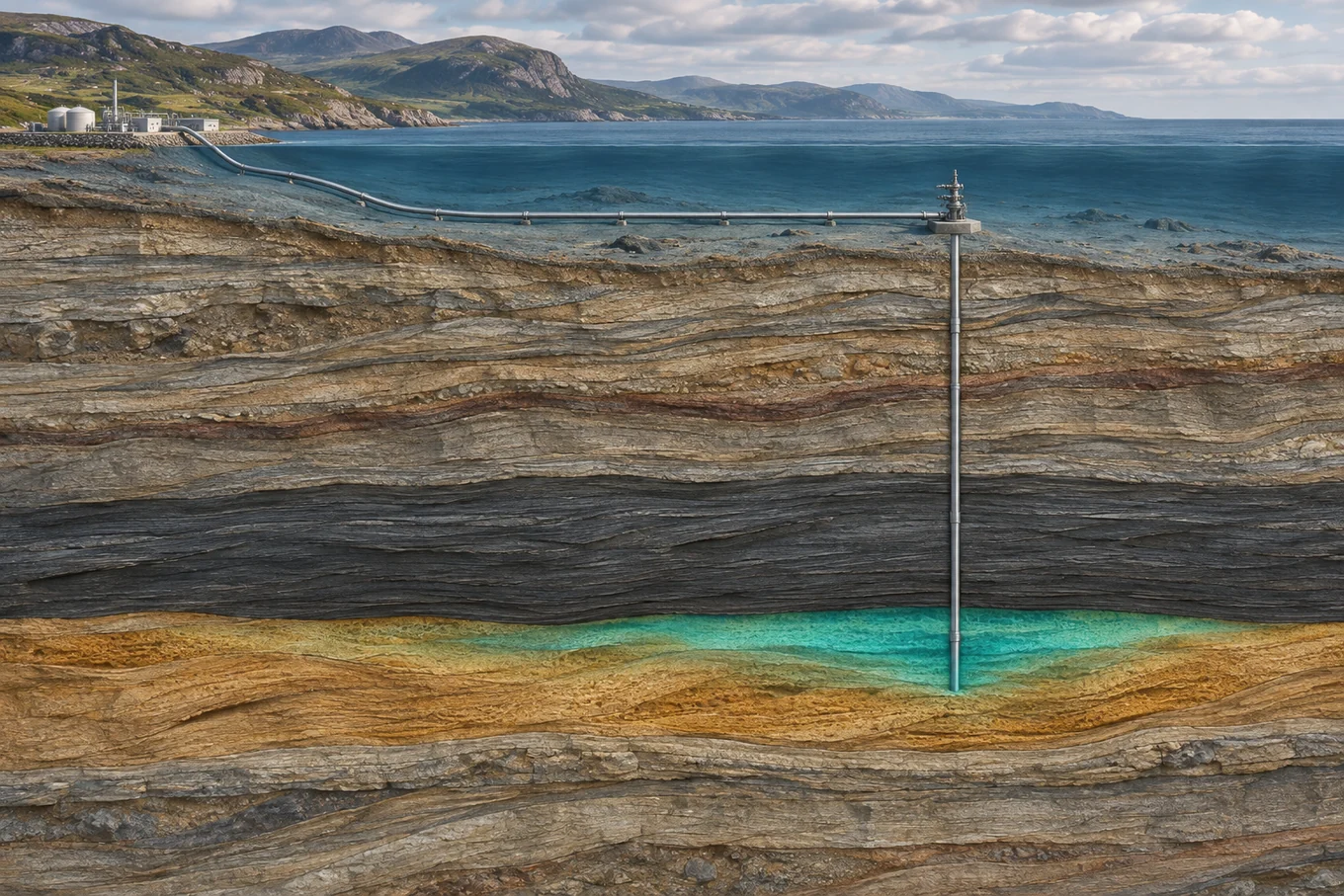
How can captured CO₂ be transported, used and stored underground?
Our carbon capture, utilization and storage (CCUS) research connects surface facilities, transport pipelines, wells and reservoirs. We study how CO₂ behaves during enhanced oil recovery and how it becomes trapped in saline aquifers. Our models evaluate storage capacity, injection safety and cost together.
Geological storage design project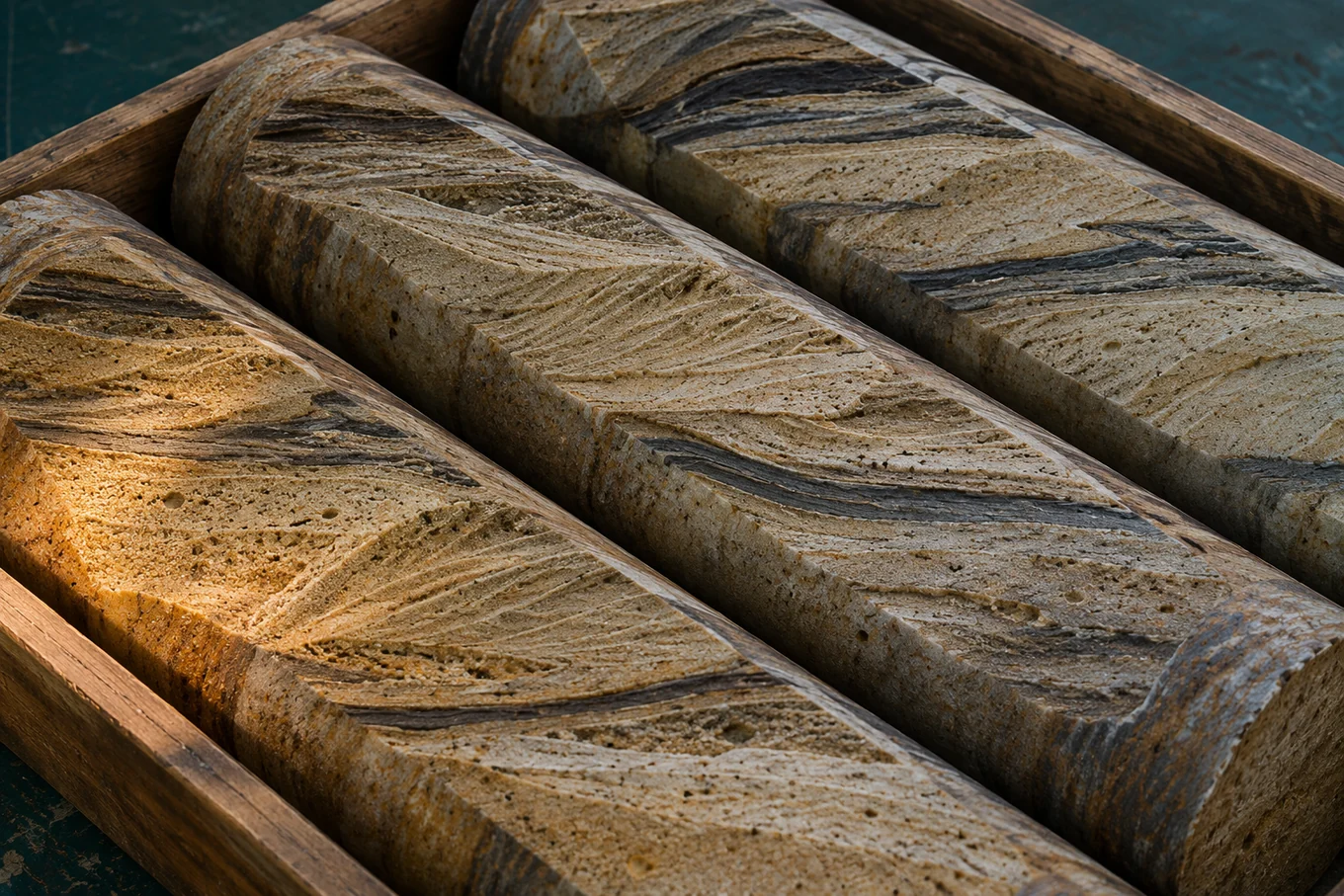
What can subsurface flow tell us about energy recovery and hydrogen storage?
In geoenergy engineering, we use well logs, history matching and numerical models to characterize heterogeneous reservoirs. Multiphase-flow models help evaluate oil and gas recovery, fractured rocks and underground hydrogen storage.
Underground hydrogen storage study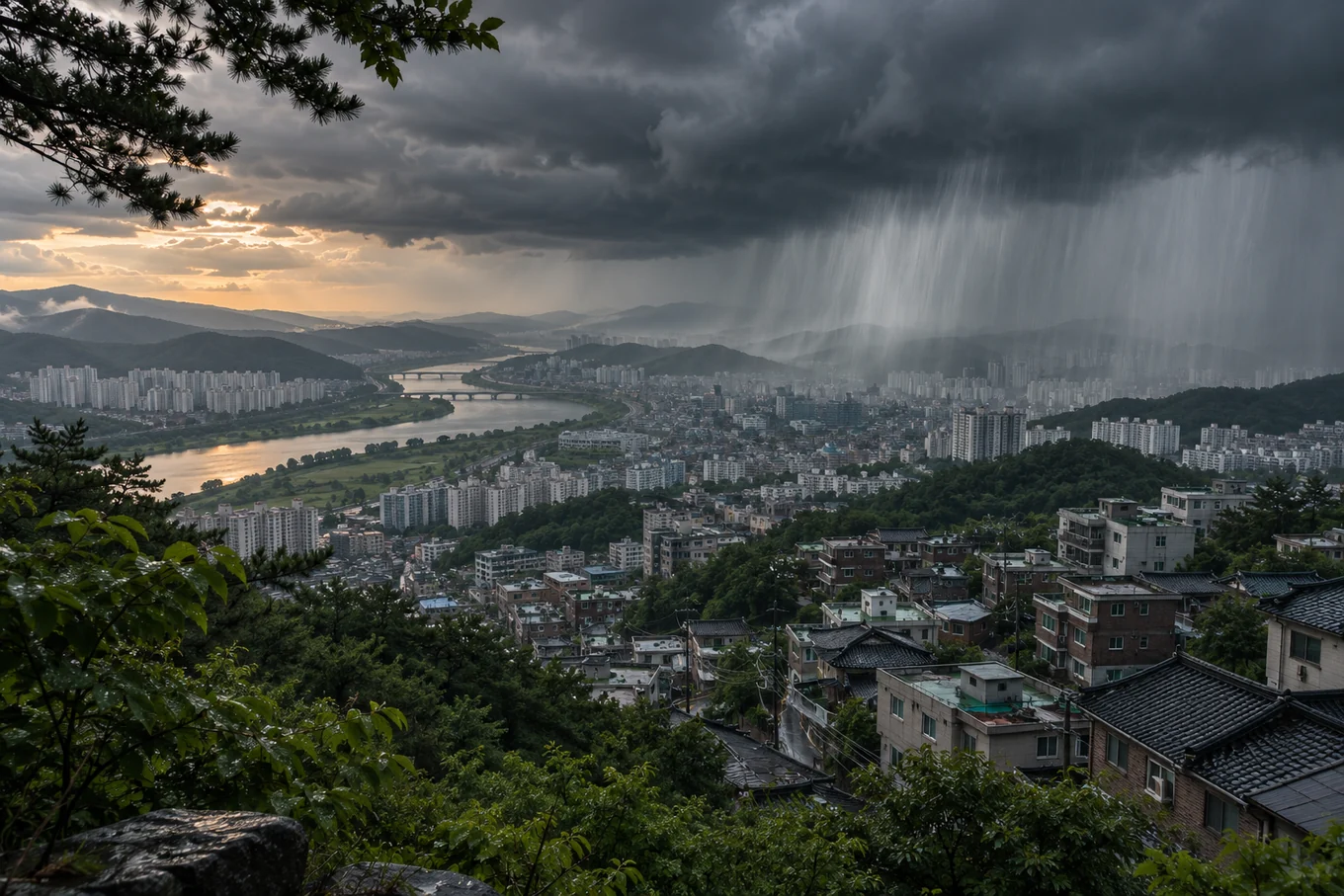
How do changes in rainfall and carbon costs reshape risk?
We investigate links between long-term climate change and regional environments. Our portfolio spans precipitation downscaling, greenhouse-gas pathways and the financial exposure of carbon-intensive firms.
Climate and regional environments projectOur ESG work examines how companies manage climate risk, account for greenhouse gases and apply the Korean Green Taxonomy.
Explore ESG projectsModeling methods
Our work combines mathematical models, parallel computation and observations from the subsurface.
Geological storage and recovery
Long-term saline aquifer storage, geochemical and hysteretic trapping, Cranfield and Bravo Dome injection case studies, chemical enhanced oil recovery, gas and foam flooding, phase behavior and field-scale parallel simulation.
Fractures and coupled flow
Phase-field models of hydraulic fracture propagation, coupled flow and geomechanics, integrated fractured reservoir management, and multiphase Darcy–Stokes methods for melt migration.
Optimization, data assimilation and uncertainty
Model selection, parameterization, multidimensional scaling and clustering, stochastic collocation and Monte Carlo methods, Bayesian model averaging, production optimization, ensemble history matching, and integration of time-lapse seismic and geomechanical data.